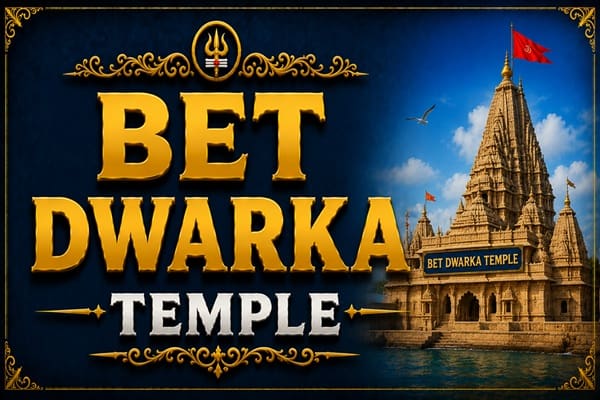
Many people visit Dwarkadhish Temple and think they have seen everything. But the true heart of Lord Krishna’s earthly kingdom waits a short boat ride away. Bet Dwarka, a small island sitting quietly in the Gulf of Kutch, holds secrets that no other pilgrimage spot can offer. This was not just a temple. This was the actual home where Krishna lived with his family, ruled his people, and welcomed his dear friend Sudama.
The island carries a different energy from the main Dwarka city. When you step off the ferry, the air feels older, more personal. You are walking on ground that Krishna himself walked on. Every grain of sand here has listened to his laughter, his conversations, and his silent moments. For devotees who want more than just a quick darshan, Bet Dwarka offers a deep, intimate connection to the lord’s everyday life.
What Makes Bet Dwarka Different from Dwarkadhish Temple
Dwarkadhish Temple in the main city is grand, majestic, and built for public worship. Bet Dwarka is quieter, smaller, and feels like a family home. Think of Dwarkadhish as the royal court where Krishna sat as king. Bet Dwarka is the backyard where he played with children, rested after long days, and shared simple meals.
The island’s name itself tells a beautiful story. The word Bet means gift in the local language. This place got its name because Krishna received a gift here from Sudama, his poorest friend. That humble offering of beaten rice turned this island into a symbol of true friendship and devotion. No other Krishna temple carries such a personal meaning.
Locals also call this place Shankhodhar. Walk along the shore and you will understand why. The beach is covered with conch shells of all sizes and colors. Ancient texts mention that Krishna’s conch Panchajanya originated from here. Finding a perfect conch on this beach feels like receiving a small blessing from the lord himself.
The Real Story Behind Bet Dwarka
History and mythology meet at this island in surprising ways. According to the Mahabharata, Krishna did not rule from the main city. He actually lived on this island, which was called Antardvipa in those days. His palace, his gardens, and his daily life all revolved around Bet Dwarka. The main city served as the administrative center, but this island was home.
For years, people dismissed the temple’s claims as pure legend. Then marine archaeologists started digging. What they found changed everything. Under the waters surrounding Bet Dwarka, they discovered remains of a settlement dating back to the Harappan civilization. A massive protection wall from 1500 BC emerged from the seabed. Ancient seals, pottery, and even a copper fishhook came to light.
These findings prove that a thriving city existed here thousands of years ago. Stone anchors and ship remains suggest active trade with the Roman Empire. The stories passed down through generations suddenly had physical evidence to support them. Bet Dwarka is not just a place of faith. It is a place where faith and history shake hands.
Sri Keshavraiji Temple: The Main Shrine
The main temple on the island goes by the name Sri Keshavraiji Temple. Vallabhacharya, the great saint and philosopher, established this temple nearly five hundred years ago. But the story does not start there. Local belief says the original idol was installed by none other than Rukmini, Krishna’s chief queen.
Look closely at the deity and you will notice something unusual. The idol holds the conch at an angle, unlike the straight position seen in Dwarkadhish Temple. This small difference reminds visitors that they are seeing a different aspect of Krishna. Here he is not the king of a grand city. He is the householder, the family man, the friend who values love over wealth.
The temple follows the Pushtimarg tradition, which focuses on devotion through love and service. Everything here feels more personal and less formal. The priests know every ritual by heart because their families have performed them for generations. Watching them work is like watching a well practiced dance that has been passed down through centuries.
Complete Temple Timings and Darshan Schedule
Planning your visit around the temple schedule makes a huge difference. The doors open early at 6:00 AM for morning darshan. This continues until 12:30 PM without a break. Then the temple closes for a few hours and reopens at 5:00 PM for evening darshan, which goes on until 9:30 PM.
But the real magic happens during the specific darshan segments. Each one represents a different moment in Krishna’s imagined daily routine. Mangla Darshan from 8:00 AM to 9:00 AM shows the lord waking up. Shringar Darshan from 9:30 AM to 9:45 AM presents him fully dressed and decorated. Sanbhog Darshan offers food offerings, and Gwal Darshan shows him with the cows he loved so much.
Evening hours bring their own beauty. Uthappam Darshan at 5:30 PM marks the lord finishing his afternoon rest. Sandhya Darshan at 7:15 PM shows him ready for evening prayers. The final Shayan Darshan at 8:30 PM prepares the deity for sleep. Each viewing offers a different emotional connection, and regular visitors often have their favorite darshan slot.
Aarti Timings That Touch the Soul
The aartis at Bet Dwarka carry a power that words cannot describe. Mangla Aarti starts at 6:30 AM and continues until 8:00 AM. Attending this early morning ritual sets a peaceful tone for the entire day. The temple is less crowded at this hour, and the sound of bells echoes across the quiet island.
Shringar Aarti happens briefly from 11:05 AM to 11:20 AM. This is when the deity is fully decorated, and the visual beauty adds to the spiritual experience. Many photographers and artists prefer this aarti because the lighting and decorations create stunning scenes.
Sandhya Aarti from 8:00 PM to 8:10 PM is the most popular among working devotees who cannot visit in the morning. The evening sky, the lamps being lit, and the rhythmic chants create a meditative state that stays with you long after the aarti ends. Shayan Aarti from 8:35 PM to 9:00 PM marks the end of the day, and attending it feels like saying goodnight to a beloved family member.
How to Reach Bet Dwarka Step by Step
Getting to Bet Dwarka requires some planning, but the journey itself becomes part of the pilgrimage. First, reach Dwarka city by train, bus, or flight. Dwarka has its own railway station with connections to major cities across India. Roads are well maintained, and state transport buses run regularly from Ahmedabad, Rajkot, and Jamnagar.
The nearest airports are Jamnagar at 127 kilometers and Porbandar at 110 kilometers. Both airports receive flights from Mumbai and other major cities. From either airport, hire a taxi or catch a bus to Dwarka city center.
Once you reach Dwarka, you need to get to Okha Jetty, which is 30 kilometers away. Local buses run frequently between Dwarka and Okha. Taxis are also available for a more comfortable ride. The journey takes about forty five minutes by road.
At Okha Jetty, small ferries and private boats wait to carry you across the five kilometer stretch of sea. Public boats charge between ten to thirty rupees per person, making this an affordable trip for everyone. Boats leave every ten to fifteen minutes once they fill up. The crossing takes fifteen to twenty minutes, and on clear days, the views of the Gulf of Kutch are breathtaking.
Boat Services and Timings
Ferry services start at 6:00 AM and continue until 7:00 PM. Do not arrive late because the last boat leaves promptly. The morning boats are less crowded, and the sea is usually calmer. Afternoon boats can get packed with school children, office workers, and pilgrims traveling together.
Private boats are available for groups at around two thousand rupees for a round trip. This option saves waiting time and offers more flexibility. Large families and pilgrimage groups often prefer private boats for the convenience and privacy.
The boat ride itself is an experience. Local boatmen sometimes point out landmarks or tell stories about the island. Keep your camera ready because dolphins are occasionally spotted in these waters. The breeze, the salt spray, and the growing silhouette of Bet Dwarka on the horizon build anticipation in a way that road travel never could.
Best Time to Visit for a Comfortable Trip
October through March offers the most pleasant weather for this pilgrimage. Temperatures stay between 20 to 28 degrees Celsius, which means you can walk around the island without feeling exhausted. The sea remains calm during these months, so boat services run without delays or cancellations.
Avoid visiting between April and June. Summer temperatures cross 40 degrees Celsius regularly. The heat makes walking between temples uncomfortable, and the afternoon sun feels brutal. Even the boat ride becomes unpleasant because the metal seats heat up and there is little shade.
Monsoon season from July to September brings its own problems. Heavy rains make the island muddy and slippery. Boat services often get suspended during storms or rough seas. Humidity levels rise significantly, making the entire experience uncomfortable for elderly devotees and young children. Plan your trip during winter months for the best possible experience.
What to Wear and How to Behave
The temple does not post strict dress code rules, but local customs expect modest clothing. Men should wear pants or dhotis with shirts. Women should wear sarees, salwar kameez, or long skirts with tops that cover the shoulders. Shorts, sleeveless tops, and revealing clothes attract stares and disrespect the sacred atmosphere.
Remove your shoes before entering the temple premises. A shoe stand is available near the entrance, but keeping your footwear in your bag is safer. The stone floors can get hot during afternoon hours, so consider wearing socks if the sun is strong.
Photography is not allowed inside the main shrine. You can take pictures of the temple exterior and the surrounding areas. Temple authorities sometimes ban mobile phones entirely during special rituals. Pay attention to the posted signs and follow instructions from the priests and security staff. Silence your phone before entering the temple to maintain the peaceful environment.
Other Temples and Shrines on the Island
Sri Keshavraiji is the main temple, but Bet Dwarka holds many other sacred spots. Hanuman Dandi temple stands out because it houses idols of both Hanuman and his son Makardhwaja. According to legend, a fish swallowed a drop of Hanuman’s sweat and later gave birth to Makardhwaja. This is one of the few places where you can worship Hanuman’s son.
Abhaya Mata Temple sits at the southernmost point of the island. The goddess here is believed to protect devotees from fear and danger. The walk to this temple offers stunning sea views, and the peaceful energy makes it worth the extra steps.
Smaller shrines dedicated to Radhika, Rukmini, Jambavati, Satyabhama, and Devaki dot the island. Each one has its own story and significance. Devotees who take time to visit these lesser known temples often report feeling a more complete connection to Krishna’s family life.
Jain pilgrims will find a temple dedicated to the twenty four Tirthankaras. Muslim devotees can visit Sidi Bawa Peer Dargah and Haji Kirmai Dargah. Bet Dwarka represents the inclusive spirit of Indian spirituality, where multiple faiths find space to coexist peacefully.
What to Offer and How to Participate
Rice holds special significance at this temple. Remember the story of Sudama bringing beaten rice to Krishna? That humble offering turned into the most famous gift in Hindu mythology. You can offer rice at the temple and receive blessings in return. Many devotees carry a small packet of rice specifically for this purpose.
Daily pujas include Abhishek, Shringar Bhog, Gwal Bhog, and Raj Bhog. Participating in these rituals costs extra, but the experience is worth every rupee. Watching the priests carefully follow ancient procedures while chanting Sanskrit verses creates a meditative state that stays with you.
If you cannot afford paid pujas, do not worry. Simply standing in the darshan line and offering your silent prayers is equally valuable. The temple does not pressure anyone into spending money. Your devotion matters more than your wallet.
Nearby Attractions Worth Your Time
The confluence of Gomti River and the Arabian Sea sits near the island. This sacred meeting point attracts devotees who perform rituals for their ancestors. The changing colors of the water where the river meets the sea create beautiful photo opportunities.
Nageshwar Jyotirlinga Temple lies about twenty two kilometers from Bet Dwarka. This is one of the twelve Jyotirlingas dedicated to Lord Shiva. Many pilgrims combine both visits in a single trip. The massive statue of Shiva and the underground sanctum make this temple unique.
Rukmini Temple, dedicated to Krishna’s chief queen, stands about two kilometers from Dwarka city. The temple’s architecture and the story behind why Rukmini lives separately from Krishna add another layer to the pilgrimage experience. Local guides can tell you the fascinating tale of sage Durvasa’s curse and Rukmini’s thirst.
Where to Stay and What to Eat
Dwarka city offers accommodation options for every budget. Luxury hotels near the temple provide comfortable rooms with modern amenities. Mid range hotels cater to family tourists with clean rooms and decent food. Dharamshalas offer basic but affordable stays for pilgrims who want to save money.
Booking in advance is essential during festival seasons and winter months. Walk in travelers often struggle to find rooms during peak times. Online booking platforms list most hotels, but calling directly sometimes gets you better rates.
Food options include pure vegetarian Gujarati thalis, south Indian dishes, and North Indian meals. Many hotels have their own restaurants. Street vendors sell snacks like samosas, dhokla, and kachori. Stick to busy stalls with high turnover to ensure fresh food. Avoid raw salads and unpeeled fruits unless you wash them yourself.
Also Read : Palani Murugan Temple Timings 2026: Darshan, Panchamirtham
Festivals That Transform the Temple
Janmashtami, Krishna’s birthday, turns Bet Dwarka into a sea of devotion. The temple stays open all night. Special decorations, cultural programs, and midnight celebrations attract thousands of devotees. Boats run extra late services to accommodate the crowds. If you can handle large gatherings, this is the most magical time to visit.
Holi brings its own energy to the island. Unlike the rowdy celebrations in North India, Bet Dwarka’s Holi is more devotional. The temple plays religious songs, and devotees throw colored powder in a spirit of joy and community. The white temple walls covered in colors create photographs you will treasure forever.
Diwali lights up the island with oil lamps and electric decorations. The evening aarti during Diwali feels extra special because the entire temple glows with warmth. Fireworks over the sea add to the festive atmosphere. Book your travel and accommodation months in advance if you plan to visit during these major festivals.
Practical Tips for a Smooth Visit
Carry cash because the island has limited ATM facilities. Boat operators, small shops, and local guides do not accept cards or digital payments. Keep small denomination notes for convenience.
Start your day early to avoid crowds and heat. The first boat from Okha leaves at 6:00 AM, putting you on the island by 6:20 AM. You can complete your darshan before the rush begins and return by mid morning.
Wear comfortable walking shoes because you will cover significant ground on the island. The terrain is uneven in places, and elderly visitors should watch their step. Walking sticks help on the slippery boat jetty and temple steps.
Carry water bottles to stay hydrated. Small shops sell water and snacks, but prices are higher on the island. A reusable bottle filled before leaving Dwarka saves money and reduces plastic waste.
Check boat schedules before planning your return. Missing the last boat means finding expensive private transport or waiting until morning. Mobile network coverage is spotty on parts of the island, so do not rely on last minute calls.
The Deeper Spiritual Meaning
Beyond the timings, the boat rides, and the temple rituals, Bet Dwarka teaches a simple lesson. Krishna accepted a poor friend’s humble gift with the same love he would show a king’s expensive offering. The value was never in the rice. It was in the love that carried it.
Standing on this island, surrounded by the endless sea and the endless sky, you understand that devotion does not require wealth. It does not demand perfection. It only asks for sincerity. The same sea that carried Sudama’s boat carries yours. The same lord who blessed him waits to bless you.
Many people rush through Bet Dwarka in a few hours, treating it as just another stop on their yatra. But those who slow down, who sit by the shore, who watch the sunset paint the temple in gold, they carry something different home. They carry the feeling of having visited not just a place, but a memory of love that has survived thousands of years.