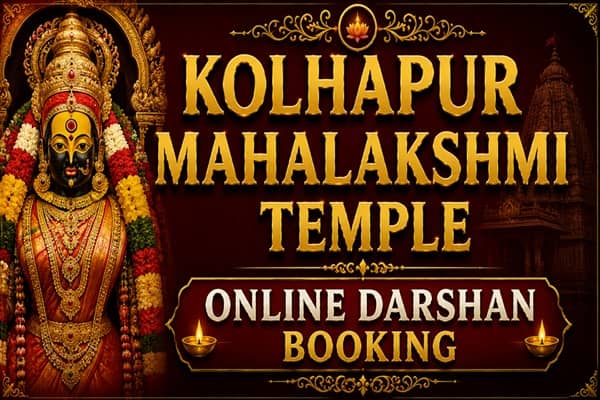
The queue stretches longer than you expect. A grandmother pulls her grandson closer, while a young couple fans themselves with printed temple pamphlets. Everyone waits for the same reason. A few seconds of eye contact with the goddess Ambabai. That moment makes the long journey and the patient waiting worth every second.
Shree Mahalakshmi Temple in Kolhapur is not just another stop on a religious tour. This is one of the most powerful Shakti Peethas in India. Locals call their deity Ambabai, which means mother. She does not sit in a corner. She stands right in the center of Kolhapur city, welcoming everyone from the village farmer to the city businessman with the same open arms.
Understanding how this temple works changes your visit from chaotic to peaceful. You do not need to feel lost or overwhelmed. The system is straightforward once you know the steps. This guide walks you through every single detail so you can focus on your prayers instead of worrying about logistics.
The Heart of Kolhapur: More Than a Thousand Years Old
King Karnadeva of the Chalukya dynasty built this temple in the 7th century. That was over 1,300 years ago. The black stone structure has survived earthquakes, invasions, and the regular wear of millions of footsteps. Each carving on the wall tells a story. Each pillar has seen countless devotees whisper their hopes and fears.
The goddess here faces west. Most Hindu temples face east. This unusual orientation has a special purpose. Twice every year during the Kirnotsav festival, the rising sun’s rays travel directly through the main entrance and touch the feet of the deity. The temple priests know the exact dates based on the solar calendar. Devotees from across the country plan their visits around these two days.
This temple is counted among the three and a half Shakti Peethas. The other two are Tirumala Balaji in Andhra Pradesh and Padmavathi Temple in Tiruchanur. Pilgrims believe visiting all three completes a sacred circuit that grants liberation from the cycle of birth and death. Whether you believe this or not, the energy inside the sanctum is undeniable.
Daily Temple Schedule: Your Hour by Hour Plan
The temple doors open at 4:00 AM. Not 4:05 or 4:10. Exactly 4:00 AM. The first ritual is Padyapuja at 5:00 AM, where priests wash the deity’s feet with sacred water, milk, and honey. Watching this ceremony feels private and intimate because the crowd is still thin at this hour.
The Kakad Aarti happens between 5:30 AM and 6:00 AM. This is the most important ritual of the day. Oil lamps are lit. Priest’s chant Vedic hymns. Brass bells ring out across the hall. The sound bounces off the stone walls and fills every corner. Standing in that noise feels strangely peaceful because the chants have been recited here for over a thousand mornings.
Morning Mahapuja starts at 8:00 AM. Naivedya, the holy food offering, is presented at 9:30 AM. The goddess receives traditional Maharashtrian dishes. Later, at 11:30 AM, the Afternoon Mahapuja takes place. This is an excellent time for visitors who want a quieter darshan because most pilgrims prefer the early morning slots.
The temple does not sleep during the afternoon. Alankar Pooja at 1:30 PM dresses the deity in fresh clothes and flowers. Different ornaments are used on different days of the week. Regular visitors can tell you which day is which just by looking at the goddess’s jewelry.
Evening brings Dhuparti at 8:00 PM, the twilight aarti. The final ritual is Shejarti at 10:00 PM. This is the putting to sleep ceremony. Priests prepare the goddess for rest. By 10:30 PM, the doors close. The entire complex gets cleaned and reset for the next morning’s 4:00 AM opening.
Online Booking: Skip the Long Lines
General darshan at Kolhapur Mahalakshmi Temple is completely free. You can walk in without paying a single rupee. But free means crowded. Very crowded. The queue during festivals can stretch for over a kilometer. Waiting times of two to three hours are normal on weekends and special occasions.
Online booking solves this problem. The official website is www.mahalaxmikolhapur.com. Do not trust any other site claiming to sell tickets. Many third party vendors overcharge. The temple committee only accepts bookings through their own portal.
The process takes less than ten minutes. Click on the E-Darshan Pass section on the homepage. Select your preferred date and time slot. Morning slots between 5:30 AM and 9:00 AM sell out the fastest. Afternoon slots are easier to get. Fill in your name, age, gender, and mobile number. Upload a clear photo of your government ID. Aadhaar, PAN card, driving license, or passport all work.
Complete the payment. Yes, paid darshan tickets cost a small fee. The money goes directly to temple maintenance and priest salaries. Your confirmation arrives by SMS and email within five minutes. Save this confirmation. Take a printed copy if possible. Mobile screens sometimes fail due to low brightness or network issues at the entrance.
The booking window opens thirty days in advance. Festival slots fill up within hours of release. Set a reminder on your calendar for the date you want. Weekend bookings also get snapped up quickly. Tuesday and Wednesday are the least crowded days if your schedule is flexible.
Sevas and Ticket Prices: Choosing Your Ritual
The temple offers seven main sevas. Padya Pooja costs 350 rupees. Priests wash the goddess’s feet with panchamrit, the mixture of milk, curd, ghee, honey, and sugar. Your name is chanted during this ritual. Many devotees book this as their first seva when visiting.
Kumkum Archana costs 550 rupees. Red vermillion and fresh flowers are offered while chanting your name and family gotra 108 times. This is particularly popular with women seeking blessings for family health and prosperity.
Panchamrut Abhishek costs 750 rupees. The idol receives a ritual bath using the five sacred substances. This takes about 25 minutes. You can stand nearby and watch the entire process. The priests explain each step as they perform it.
Mahabhishek, the grand Abhishek, costs 1,100 rupees. This is the most elaborate bathing ceremony. Multiple substances including sandalwood paste, rose water, and saffron are used. The ritual lasts nearly 40 minutes. Devotees who book this receive special prasad that is not given to regular visitors.
Puran Poli Naivedya costs 300 rupees. This is a sweet flatbread offering. The goddess is known to favor this particular dish. After the offering, you receive a portion to eat as blessed food.
Shashwat Pooja costs 11,000 rupees. This is not a single visit ritual. Your name gets added to the temple’s permanent prayer list. Priests pray for your family’s wellbeing every single day for an entire year. Every morning during the main aarti, your name is chanted. Devotees who cannot visit regularly book this to stay connected.
Book these sevas at least fifteen days in advance. Festival periods require thirty days of advance booking. Last minute bookings rarely succeed because the priest schedules fill up quickly.
Festivals That Transform the Temple
Navratri happens twice every year. Once in March or April, called Chaitra Navratri. Once in September or October, called Ashwin Navratri. For nine nights, the temple stays open later than usual. Cultural programs run past midnight. Devotees dance in the courtyards. The energy feels like a continuous celebration rather than a somber ritual.
Kirnotsav is the solar festival. Sunlight falls directly on the goddess’s feet for a few minutes on two specific days each year. Thousands gather before sunrise to witness this event. The queue starts forming at midnight. If you want to attend, book your accommodation two months in advance because every hotel within five kilometers fills up completely.
Rathotsav features the temple chariot. The deity is placed on a massive wooden cart. Devotees pull the chariot through the streets of Kolhapur using thick ropes. The procession covers several kilometers. Traditional drummers lead the way. Local artists perform folk dances alongside the chariot.
Diwali transforms the temple into a sea of oil lamps. Every available surface holds a small clay lamp. The flickering lights reflect off the black stone walls. The effect feels magical. Thousands of sweets are distributed as prasad. Many regular visitors say Diwali at Ambabai Mandir is more special than any other festival.
Lakshmi Puja is performed during Diwali week. Varalakshmi Vratam is observed mainly by married women. Lalita Panchami celebrates the gentle nurturing aspect of the goddess. Each festival has its own unique rituals. The temple website posts a full calendar every year. Check before planning your visit if experiencing a specific festival is important to you.
Practical Tips From Someone Who Has Been There
Arrive forty five minutes before your booked slot. The security checks take time. Two separate checkpoints now scan every bag and person. This started in early 2026. Many visitors who arrived late missed their slots entirely.
Dress modestly. Men should wear dhoti kurta or formal pants with a shirt. Women should wear a saree or salwar kameez. Shorts, sleeveless tops, and tight jeans get you stopped at the entrance. Small shops near the temple sell wraps and scarves for forgetful visitors. Carry an extra dupatta or shawl just in case.
Leave large bags and cameras at your hotel. Mobile phones are allowed but must be switched off inside the main hall. Lockers are available for twenty rupees but fill up quickly during peak hours. The best strategy is to carry only your essentials in a small waist pouch.
Remove your shoes before entering the main complex. Paid shoe keeping counters charge ten to twenty rupees. Keep the token safe. Losing it means paying a fine. Some visitors prefer carrying their shoes in a cloth bag to avoid the counters completely.
Carry cash. The lockers, shoe counters, and small prasad shops do not accept cards. ATMs surround the temple area but often run out of cash on festival days. Five hundred to one thousand rupees per person is sufficient for a comfortable visit.
The best time to visit for a quiet experience is between 1:00 PM and 4:00 PM. Most pilgrims come early morning or right after work. The afternoon heat keeps crowds thin. The temple remains fully operational with all rituals. You might even get a few extra seconds in front of the goddess before the next person pushes forward.
Also Read : Premanand Ji Maharaj Darshan Booking 2026: Timings, Token & Ashram Guide
Reaching the Temple Without Confusion
Kolhapur Railway Station is two kilometers from the temple. Auto rickshaws charge thirty to fifty rupees for the trip. App based cabs like Ola and Uber operate in the city. The ride takes about ten minutes depending on traffic.
Kolhapur Airport is five kilometers away. Limited flights connect to Mumbai, Hyderabad, and Bangalore. Pune Airport, two hundred thirty kilometers away, offers better connectivity. From Pune, take a state run bus or private taxi. The drive takes approximately four hours.
Driving yourself? National Highway 4 connects Kolhapur to major cities. The temple address is 187KH, B Ward, Mangalwar Peth, Kolhapur, Maharashtra 416012. Paid parking is available five hundred meters from the main entrance. Two wheelers cost twenty rupees. Four wheelers cost fifty rupees. The lot operates twenty four hours.
State run buses from Mumbai, Pune, Nashik, and Nagpur all stop at Kolhapur’s main bus stand. The bus stand is one and a half kilometers from the temple. Walking takes twenty minutes. Auto rickshaws charge twenty to thirty rupees for the short trip.
Nearby Places to Complete Your Pilgrimage
Rankala Lake sits two kilometers from the temple. The evening walk around this artificial lake is a Kolhapur tradition. Local families come here after dinner. Street vendors sell roasted corn and spicy chaat. The sunset views over the water are beautiful.
New Palace Museum is three kilometers away. This is not a typical tourist stop. The palace houses a collection of weapons, hunting trophies, and vintage cars belonging to the former Kolhapur royal family. History lovers will enjoy the detailed exhibits.
Mahalakshmi Market spreads out directly in front of the temple. The narrow lanes sell everything from silver jewelry to plastic toys. Kolhapuri chappals, the famous handcrafted leather sandals, are the best buy here. Expect to bargain. The quoted price is never the final price.
Jotiba Temple sits on a hill twelve kilometers outside the city. The climb includes over one thousand steps. The view from the top stretches across the entire Kolhapur district. Most pilgrims combine this visit with the main temple. One day for Mahalakshmi, the next morning for Jotiba.
Panhala Fort is twenty kilometers away. The massive fort complex takes half a day to explore properly. The views of the surrounding valley are spectacular during monsoon. The drive from Kolhapur takes about forty five minutes through winding mountain roads.
Keeping Your Visit Simple and Blessed
You do not need to book every seva or attend every aarti. The goddess sees your heart, not your receipt. One sincere prayer offered during a crowded general darshan carries the same weight as an expensive private ritual. Do what feels right for your budget and your schedule.
Talk to the priests if you have questions. The younger ones speak English and Hindi. They appreciate sincere curiosity. Ask about the history of a particular carving or the meaning behind a specific ritual. Their answers will enrich your experience beyond just standing in line.
Stay hydrated. Kolhapur gets hot, especially between March and June. The temple provides free drinking water. Small shops sell cold drinks and buttermilk. Carry a water bottle that you do not mind throwing away at the security checkpoint.
Plan for at least two nights in Kolhapur. One full day for the temple. Another half day for the nearby sights. Trying to do everything in a single day leaves you exhausted and rushed. The goddess has been waiting here for over a thousand years. She can wait one more day.
The best souvenir is not a sandal or a silver coin. It is the memory of that moment when the priest moves the curtain, the oil lamps flicker across the goddess’s stone face, and for a few seconds, the entire world disappears. That memory stays with you long after the kolhapuri chappals wear out.